

VMPL
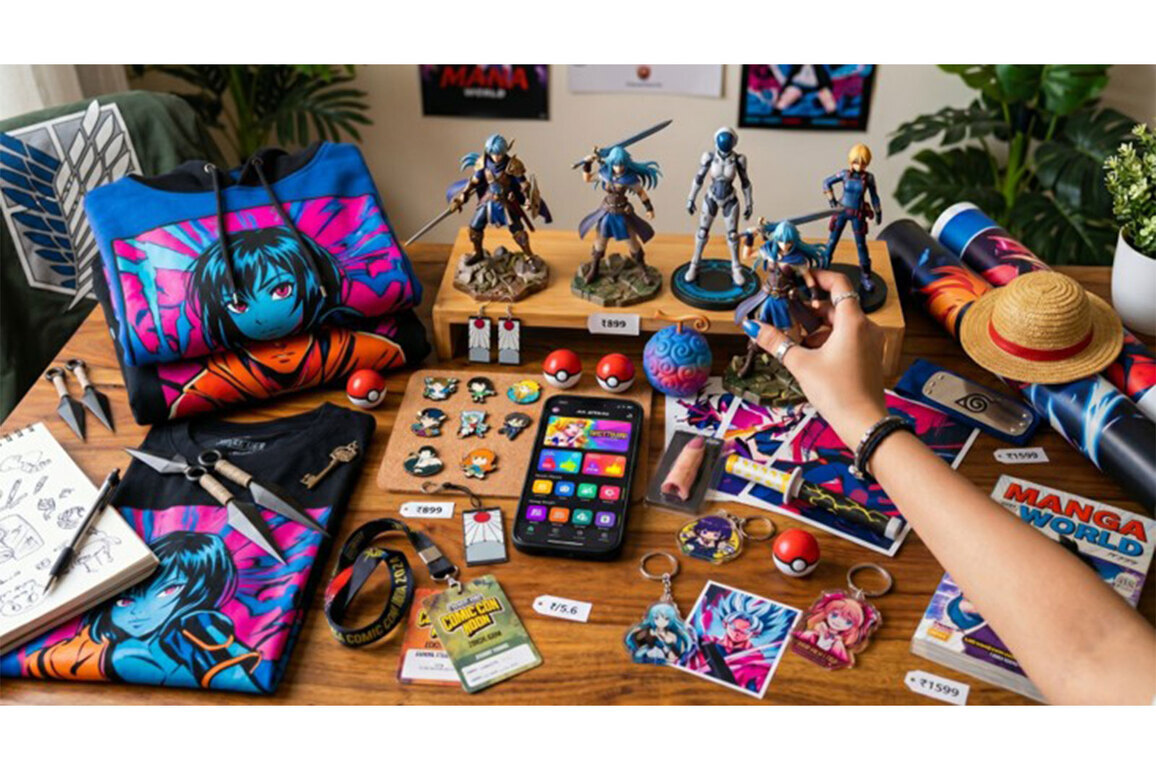
New Delhi [India], June 8: Not long ago, owning an anime figurine or a Naruto hoodie in India marked you as part of a small, slightly misunderstood subculture. Today, that same hoodie is streetwear, and the figurine sits on a shelf as a statement of identity. Two trends are driving this shift at once: a global explosion in anime merchandise spending, and the rapid mainstreaming of anime in India. Together, they are reshaping how a generation watches, spends, and expresses itself.
The Global Merch BoomThe numbers behind anime merchandise are striking. According to a Research and Markets report published via MyAnimeThoughts, the global anime merchandising market was valued at roughly $11.19 billion in 2025 and is projected to reach $22.89 billion by 2033, growing at a compound annual rate of about 9.36%. Grand View Research places the 2025 figure even higher, near $12 billion, with figurines making up the single largest product category at over 37% of sales.
What changed? Streaming. Platforms like Crunchyroll, Netflix, and Disney+ pushed anime out of niche forums and into the global mainstream, and merchandise quickly became a major revenue stream for studios and licensees. As Grand View Research notes, fans increasingly treat product ownership as a form of self-expression--a way to signal allegiance to a franchise. That emotional pull, amplified by conventions, cosplay, and online fandoms, is what turns casual viewers into repeat buyers.
How Anime Went Mainstream in IndiaIndia is now one of the most important growth stories in this global picture. Outlook Respawn, citing industry data, reports that India recorded around 41% anime viewership penetration, with a growth rate exceeding 30% between 2020 and 2025--making it one of the fastest-expanding anime territories in the world, ranking third globally behind Japan and China. Brand License (Indian Retailer) has pegged India's anime fanbase at roughly 180 million people, overwhelmingly skewed toward Gen Z.
Several forces converged to make this happen. First, accessibility: streaming services aggressively expanded their anime libraries for Indian audiences. Second, and arguably most important, localization. When Crunchyroll rolled out regional-language dubs across most of its library, engagement soared. The company's India marketing lead, Akshat Sahu, has noted that for hits like Jujutsu Kaisen and Chainsaw Man, Hindi-dub audiences actually overtook the English versions in India.
Mainstream validation followed. Crunchyroll signed pan-India star Rashmika Mandanna as a brand ambassador in 2023, and conventions like Comic Con Hyderabad 2025 drew tens of thousands of cosplayers and fans. According to IMARC Group, the Indian anime market was valued at over $1.2 billion in 2025 and is projected to reach $3.3 billion by 2034, growing at about 11.26% annually--comfortably outpacing the global average.
Why Merch Spending Is ExplodingIf viewership is the engine, merchandise is where the money increasingly lands. Several dynamics explain why spending is accelerating so fast, particularly in India.
Identity over utility. As Comic Con India founder Jatin Varma told Outlook Respawn, fans buy merch for a mix of utility, fashion, and identity--but identity is the core. Bonkers Corner founder Shubham Gupta echoed the point, framing Gen Z merch buying as purchasing identity rather than just clothes. This emotional driver supports premium pricing and loyalty.
The economics are compelling. Outlook Respawn reports that merchandise now accounts for 47% of The Souled Store's revenue, with a 160% repeat-purchase rate. Licensed anime SKUs reportedly sell at around 1,000 versus 850 for original designs--higher margins on goods fans actively seek out.
Brands are piling in. Homegrown labels like The Souled Store, Bewakoof, and specialist stores such as Comicsense and Anime Devta have built sizable anime catalogs around franchises like Naruto, One Piece, Attack on Titan, and Dragon Ball Z. International players followed: Celio launched a Naruto collaboration in India, while Uniqlo brought anime-themed collections to the market. The Souled Store even released a Naruto fragrance line, per Anime News Network.
Global luxury and sportswear are legitimizing it. Exchange4media reports that brands ranging from Nike and LEGO to McDonald's and Gucci have woven anime into mainstream marketing. Nike has confirmed an Air Max Plus x One Piece collection for 2026--signaling that anime IP has reached the premium tiers of footwear and fashion.
What Comes NextThe trajectory points firmly upward. Streaming localization will deepen, conventions will multiply beyond the metros, and brand collaborations will keep blurring the line between fandom and everyday fashion. Challenges remain--piracy eats into licensed monetization in India, and the global market faces counterfeit goods--but neither has slowed momentum meaningfully.
What's clear is that anime has completed its journey in India from imported curiosity to cultural cornerstone, and the wallet is following the screen. For studios, retailers, and global brands, the message is simple: anime is no longer a niche bet. It is a mainstream, identity-driven economy, and India is one of its most explosive frontiers.
This focus is mirrored by content trends on fan-driven platforms; for instance, the content strategy for the local anime site 'MyAnimeThoughts' prioritizes deep-dive reviews and content hubs for top-tier franchises like One Piece, Jujutsu Kaisen, Naruto, and Attack on Titan, confirming these as primary interest drivers for the Indian audience.
Website: www.myanimethoughts.com | Insta: @myanimethoughts_ | FB: myanimethought
(ADVERTORIAL DISCLAIMER: The above press release has been provided by VMPL. ANI will not be responsible in any way for the content of the same.)